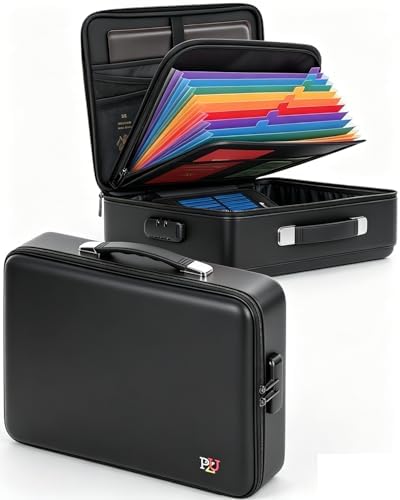
What UL 94 VTM-0 actually tests
Our case carries a flammability rating for the shell material. That is a real test with a narrow question, and it is not the test people think they are reading.
The rating is about the cloth, not the case
UL 94 is a flammability standard for plastics and materials used in the parts of devices and appliances. A small specimen goes into a rig, a burner touches it for a set moment, and the people running the test watch two things: whether the specimen keeps burning once the burner is pulled away, and whether it drips anything that is still alight. VTM is the branch of that standard for thin material, where the specimen is rolled around a mandrel because a film cannot stand up on its own. A VTM-0 result is the strictest of the three VTM classes.
So the shell we stitch this case from has been through a materials test and behaves the way a flame retardant material should behave. That is worth having. It is also a statement about a coupon of cloth in a laboratory, not about a closed case with your papers inside it.
The test people think they are reading is a different one
When someone asks how long a box protects paper, they are asking about UL 72, the standard for record protection equipment. That one works the other way around: the finished unit goes into a furnace, the furnace follows a published time and temperature curve, and the class states how long the inside stays below the limit that paper can take. A rating from that standard has a duration in it, because duration is the whole point of it.
Ours does not carry that rating, and we are not going to imply it does by putting the two standards in the same sentence and hoping the numbers blur. A flammability class has no duration in it at all. There is nothing to convert.
What that leaves you with
A case whose shell will not feed a flame, will not drip burning material, and holds its shape when it is knocked off a shelf. A latch that keeps a curious eight year old out of the passport drawer. Folders that mean the birth certificate is in one known place at two in the morning instead of four possible drawers.
That is a real set of things and it is what we built. What it is not is a rated safe, and if what you need is a rated one, buy a rated one and put this inside it.
How to read the next box you look at
Look for a duration. If the listing says a standard number and stops, you are reading a materials rating. If it says a class with a temperature limit and a length of time, you are reading a cabinet rating, and you can go and check that class against what it covers.
The other thing worth checking is what the rating is attached to. Shell, lining, zipper and latch are different materials, and a claim about one of them is not a claim about the assembly. Ours is about the shell, which is why we say shell.
We would rather tell you what the rating covers than let a word on a listing do the work. The case is a good place to keep papers together and a poor substitute for a rated cabinet, and both halves of that are worth knowing before you pack it.